
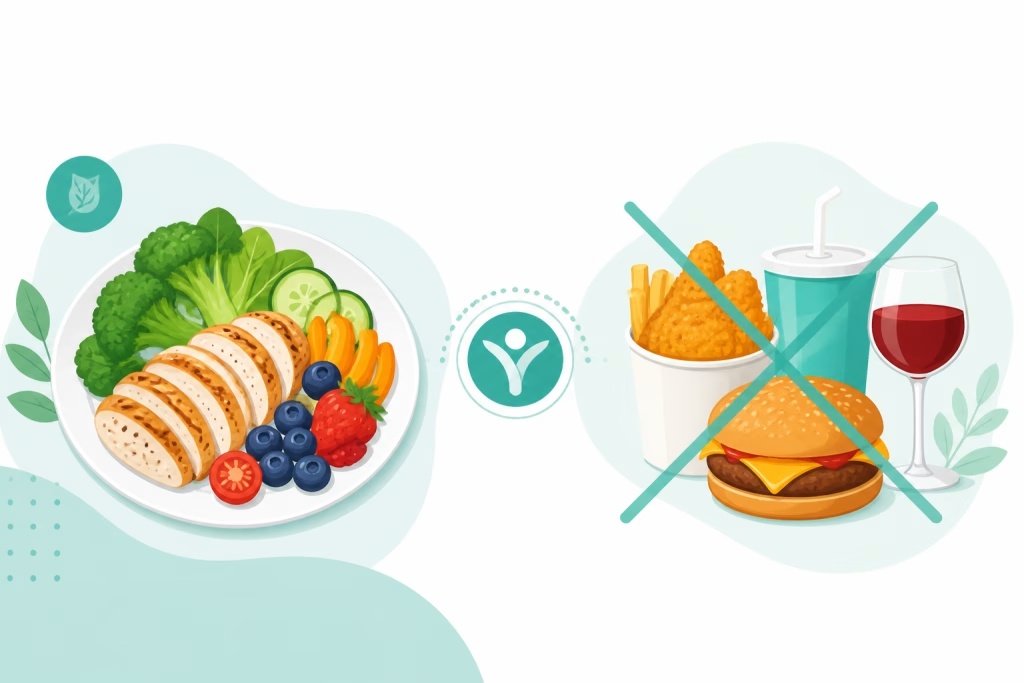
Knowing the foods to avoid on GLP-1 medications can make the difference between a smooth week and one spent battling nausea, bloating, or reflux. Medications like Ozempic, Wegovy, Zepbound, and Mounjaro slow down how fast your stomach empties. That’s a feature, not a bug — it’s part of why you feel full longer — but it also means certain foods sit heavier and trigger more side effects than they did before. The good news: you don’t need a rigid diet. You just need to know which foods tend to cause trouble, why they do, and what to reach for instead.
Why Certain Foods Hit Differently on GLP-1 Medications
GLP-1 medications work in three ways that change how food feels: they slow gastric emptying, they reduce appetite signals in the brain, and they help regulate blood sugar. Because food stays in your stomach longer, anything that’s already slow to digest — grease, heavy fat, big portions — can linger for hours. That lingering is what drives many of the most common complaints, including nausea, heartburn and reflux, bloating, and sulfur burps.
In other words, the list of foods to avoid on GLP-1 isn’t about “bad” foods. It’s about foods that clash with a slower stomach. Once you understand that, the list below practically writes itself.
The Main Foods to Avoid on GLP-1 (and Why)
1. Fried and greasy foods
Fried chicken, french fries, pizza, burgers, and heavy sauces top nearly every clinician’s list. Fat is the slowest macronutrient to digest, so a greasy meal on top of delayed gastric emptying is a recipe for nausea, stomach pain, and reflux. According to GoodRx, high-fat and fried foods are among the most common triggers of GI side effects for people on semaglutide and tirzepatide.
Swap instead: grilled, baked, or air-fried versions of the same foods. A baked chicken thigh goes down far easier than a fried one.
2. Sugary foods and drinks
Candy, pastries, sweetened coffee drinks, and soda can spike blood sugar and crowd out the protein and fiber your body actually needs on a reduced appetite. When you’re only eating a fraction of what you used to, every bite matters more — and sugar delivers calories without the nutrients that protect your muscle and energy.
Swap instead: fruit with a protein pairing, like berries and Greek yogurt. You get sweetness plus staying power.
3. Carbonated beverages
Soda, sparkling water, and beer add gas to a stomach that’s already emptying slowly. The result is bloating, pressure, and more frequent burping. Many people find carbonation is one of the sneakiest triggers because sparkling water feels like a healthy choice.
Swap instead: still water, herbal tea, or water with lemon. Hydration also helps with GLP-1 constipation, which affects many users during dose increases.
4. Alcohol
Alcohol isn’t strictly off-limits, but it deserves real caution. Drinks hit faster and harder on a GLP-1, can irritate your stomach, and add empty calories. If you take your medication for diabetes, alcohol can also raise the risk of low blood sugar. We cover this in depth in our guide to GLP-1 and alcohol.
Swap instead: if you drink, go slow, eat first, and choose flat (non-carbonated) options in small amounts.
5. Very spicy and acidic foods
Hot peppers, heavy tomato sauces, and citrus-forward dishes can aggravate reflux and heartburn, which are already more common when food sits in the stomach longer. You don’t have to give up flavor — herbs, gentle spices, and umami-rich ingredients like mushrooms carry a dish without the burn.
6. Ultra-processed, heavy meals in big portions
Even “normal” foods can cause trouble in large amounts. Oversized portions stretch a slow-emptying stomach and often bring back nausea that had settled. Smaller, more frequent meals are one of the most reliable comfort strategies on these medications.
What to Eat Instead: Building Meals That Work
Avoiding trigger foods is only half the picture. Because your appetite is smaller, the foods you do eat need to work harder. Prioritize lean protein at every meal — it protects your muscle while the scale drops. Our free GLP-1 protein calculator gives you a personal daily target and a realistic per-meal breakdown for a suppressed appetite. Round out plates with fiber-rich vegetables, fruits, and whole grains, and keep water within reach all day.
Consistency beats perfection here. Most people find their trigger foods are personal — one person’s pizza problem is another person’s non-issue. That’s where tracking pays off: log what you ate and how you felt, and patterns show up within a couple of weeks. You can do it free with Pep, which keeps doses, meals, weight, and side effects in one place across shots and pills alike.
Foods to Avoid on GLP-1: Quick Reference List
- Fried and greasy foods — slow digestion, worsen nausea and reflux
- Sugary sweets and drinks — blood sugar spikes, empty calories
- Carbonated beverages — bloating, gas, and burping
- Alcohol — stronger effects, stomach irritation, blood sugar risk
- Very spicy or acidic dishes — heartburn and reflux triggers
- Oversized, heavy meals — stretch a slow stomach and reignite nausea
None of these need to disappear forever. Many people reintroduce foods carefully once side effects settle, usually after their dose has been stable for a few weeks.
FAQ: Foods to Avoid on GLP-1
Do I have to avoid these foods forever?
Usually not. Side effects are most intense during the first weeks and after dose increases. As your body adapts, many people can enjoy occasional fried or rich foods in small portions. Reintroduce one food at a time so you can tell what’s actually causing symptoms.
What are the worst foods to avoid on GLP-1 for nausea?
Greasy, fried, and very rich foods are the most common nausea triggers, followed by large portions of anything. Eating slowly, stopping at the first sign of fullness, and choosing bland, low-fat options on dose-increase weeks helps most.
Can I drink coffee on GLP-1 medications?
Coffee is fine for most people, but it can aggravate reflux or stomach upset in some, especially on an empty stomach. If plain coffee bothers you, try having it with food or switching to a smaller serving. Skip the high-sugar coffee drinks, which fall squarely on the avoid list.
Download Pep free — track your shots, pills & progress in one app.

This article is for educational purposes only and is not medical advice. Talk to your doctor or a registered dietitian about your individual nutrition needs.