

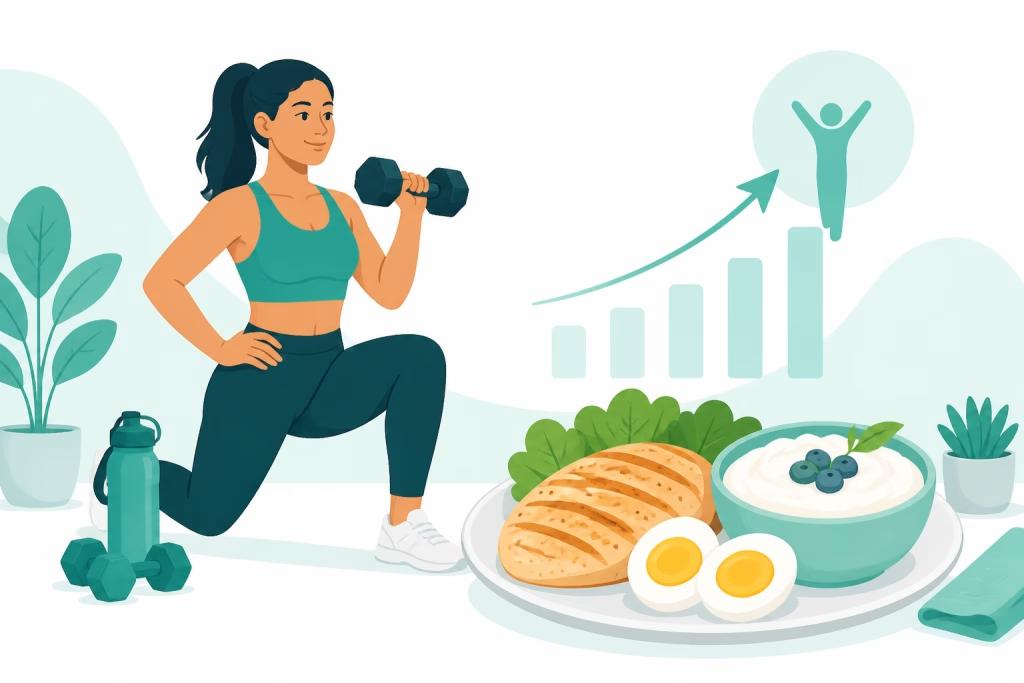
GLP-1 muscle loss is one of the biggest concerns people have when starting Ozempic, Wegovy, Mounjaro, Zepbound, or one of the newer GLP-1 pills — and the good news is that it’s largely preventable. When you lose weight quickly, some of that weight can come from lean muscle rather than fat. But with the right protein intake, a little strength training, and consistent tracking, you can keep the muscle you have while the medication does its job on appetite.
In this guide, we’ll break down why muscle loss happens on GLP-1 medications, what the latest research actually shows, and the practical steps that protect your strength week after week.
Why GLP-1 Muscle Loss Happens
GLP-1 muscle loss isn’t caused by the medication attacking your muscles. Instead, it’s a side effect of eating much less. GLP-1 medications work by quieting appetite and slowing digestion, so most people naturally eat far fewer calories — and often far less protein — than before.
That matters because your body needs two signals to hold onto muscle during weight loss:
- Enough protein to give your body the building blocks to maintain lean tissue.
- Regular resistance (strength) work to tell your body the muscle is still being used.
When both signals go missing during a large calorie deficit, your body breaks down some muscle along with fat. Research on weight loss in general suggests that a meaningful share of the total weight lost — often estimated at roughly a quarter or more — can come from lean mass if you don’t take steps to protect it. People at higher risk include older adults, people who were previously sedentary, and anyone losing weight rapidly.
What the Latest Research Shows
Here’s some encouraging news: newer 2026 research suggests the picture is less scary than early headlines implied. A recent study published in a peer-reviewed journal found that weight loss with GLP-1 medicines did not cause a disproportionate loss of muscle mass or function — in other words, strength and physical function held up better than the raw lean-mass numbers suggested.
At the same time, clinicians are paying more attention to body composition than ever. As AJMC’s 2026 review of GLP-1 therapies notes, care teams increasingly look beyond the scale to protein intake, strength routines, and lean-mass monitoring as core parts of treatment. The takeaway: muscle loss is a real consideration, but it responds well to simple habits.
How to Prevent GLP-1 Muscle Loss
Preventing GLP-1 muscle loss comes down to three habits: hitting a daily protein target, doing resistance training a few times per week, and tracking your progress so you catch problems early.
1. Hit a daily protein target
Current clinical guidance for people on GLP-1 medications generally recommends about 1.2–1.6 grams of protein per kilogram of body weight per day, spread across meals. For a 200-pound (91 kg) person, that’s roughly 110–145 grams daily. Bonus: adequate protein also helps protect against GLP-1 hair loss, another rapid-weight-loss side effect.
That can feel like a lot when your appetite is small, so make protein the first thing on your plate:
- Greek yogurt, cottage cheese, or eggs at breakfast
- Chicken, fish, lean beef, tofu, or beans at lunch and dinner
- Protein shakes or high-protein snacks to fill gaps on low-appetite days
Since smaller portions are the norm on these medications, quality matters more than ever — our GLP-1 nutrition guide covers how to build meals that work with a reduced appetite, and don’t forget fiber alongside your protein to keep digestion comfortable.
If you want to see what those targets actually look like on a plate, Kim and Kalee at Sorey Fitness have put together a practical GLP-1 meal plan with high-protein meals, macro counts for each one, and sensible adjustments for low-appetite dose days. It pairs well with the protein numbers above.
2. Add resistance training 2–3 times per week
You don’t need a gym membership or long workouts. Two to three short sessions per week of resistance work — squats, lunges, push-ups, rows, or light dumbbell circuits — is enough to signal your body to keep its muscle. Start small, then gradually add reps or weight over time. Walking is great for overall health, but it doesn’t replace resistance work for muscle preservation.
3. Track more than the scale
The scale can’t tell you whether you’re losing fat or muscle. Instead, watch trends over time: your weekly protein average, your workouts, how your clothes fit, and strength markers like how many push-ups you can do. Logging doses, weight, meals, and habits in one place makes those trends obvious — you can do it all free with Pep, which was built specifically for people on GLP-1 medications.
Celebrating strength wins is also a powerful motivator — they’re some of the best non-scale victories you can track.
There’s a bonus, too: preserving muscle keeps your metabolism higher, which can make a frustrating GLP-1 plateau less likely as your weight loss progresses.
Signs You May Be Losing Muscle
Keep an eye out for these signals, and mention them to your healthcare provider if they show up:
- Feeling noticeably weaker during everyday tasks or workouts
- Consistently eating well under your protein target
- Rapid weight loss combined with fatigue — see our guide to GLP-1 fatigue for why energy dips and how to fix it
- Losing weight quickly without any resistance training
If any of these sound familiar, the fix is usually the same: raise protein, add strength work, and consider asking your provider about a slower dose titration.
GLP-1 Muscle Loss FAQ
Does GLP-1 muscle loss happen to everyone?
No. Some lean-mass change is normal with any significant weight loss, but the amount varies widely. People who eat adequate protein and do regular resistance training preserve substantially more muscle — and recent research suggests strength and function often hold up well.
How much protein should I eat to prevent muscle loss on GLP-1s?
Most guidance recommends 1.2–1.6 g of protein per kilogram of body weight daily, spread across meals. Our free GLP-1 protein calculator does the math for your exact weight. If your appetite is very low, protein shakes and small high-protein snacks can help you get there without feeling overly full.
Can you regain muscle lost on GLP-1 medications?
Yes. Muscle responds to training and protein at any stage. Many people rebuild lean mass while still taking the medication by adding progressive resistance training and keeping protein high — no need to stop treatment to do it.
Download Pep free — track your shots, pills & progress in one app.


This article is for educational purposes only and is not medical advice. Always consult your healthcare provider about your medications and nutrition.